Strip away the mythology, and artificial intelligence is
software that learns its own rules from data instead of following rules a
programmer wrote by hand.
A conventional program is a recipe: a human anticipates every situation and
writes an instruction for it. A learning system is different. It is shown
examples, millions or trillions of them, and it adjusts millions or trillions of
internal numbers called weights until its outputs start matching
the patterns hidden in those examples. Nobody writes the rule for recognizing a
cat, translating a sentence, or finishing your code. The rule emerges from the data.
That is why the field's history swings between euphoria and
disappointment. Learning from data sounds simple, but it took seventy years of
mathematics, hardware, and sheer accumulated data before it worked at scale.
Most of what today's systems can do was not programmed into them. It was
found, by an optimization process, inside oceans of text, images, and sound.
And that is also what AI is not. A large language model is not a
database looking up answers, and it is not a conscious mind. It is a prediction
machine of astonishing scale: given everything so far, it estimates what plausibly
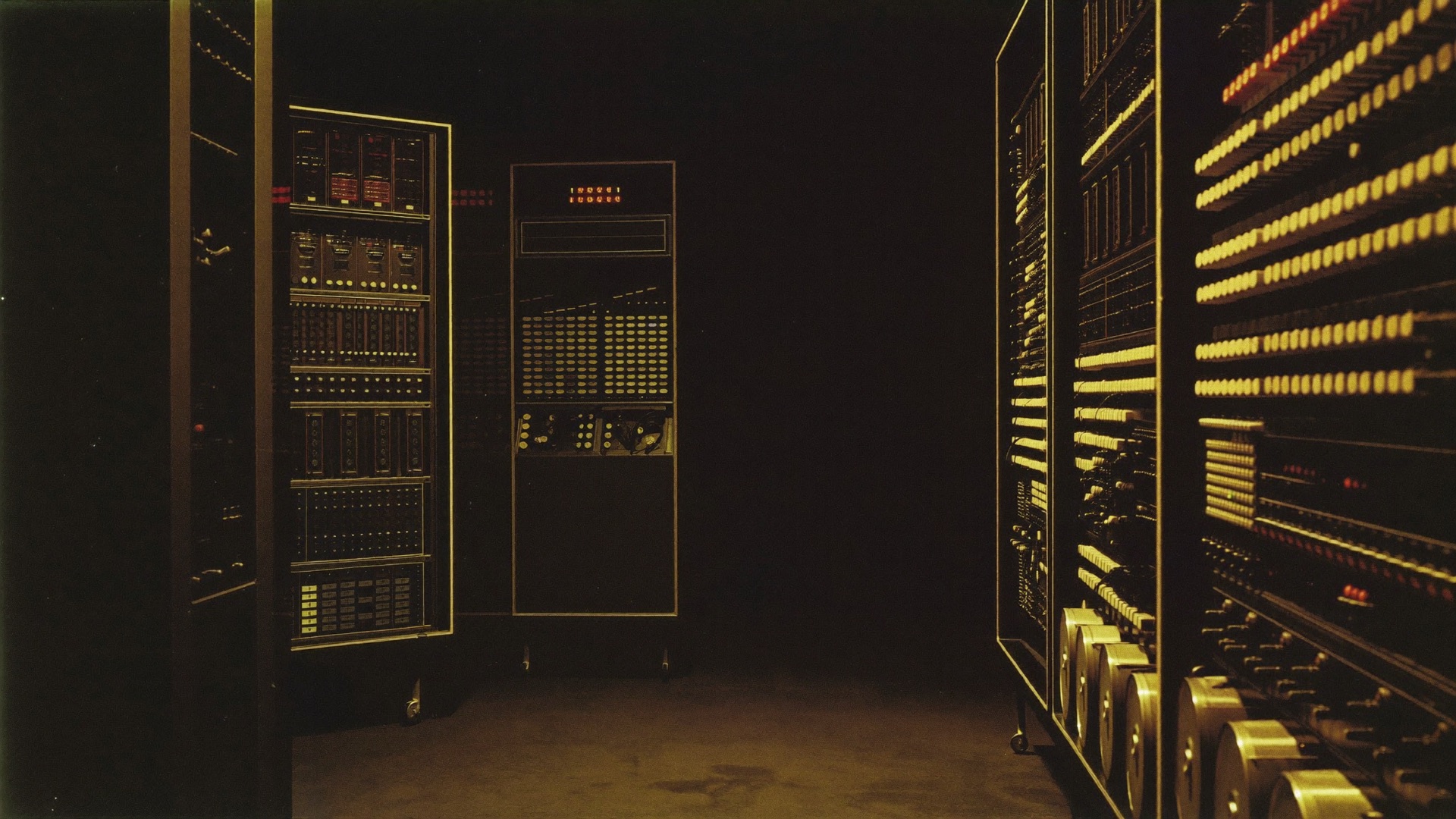
comes next, one small piece at a time. Everything below, from a 1958 machine the
size of a room to the agents of 2026, is a variation on that single, strange,
powerful idea.